



 English
 Deutsch
 Français
 Español
 العربية
Industries / Industrial & Protective Packaging
Industrial & Protective Packaging
Protective packaging is a system: the product, supports, cushioning and outer carton work together. A useful design brief explains where the product can be supported and the handling risks along its route.
Plan the Insert and Outer Pack Together
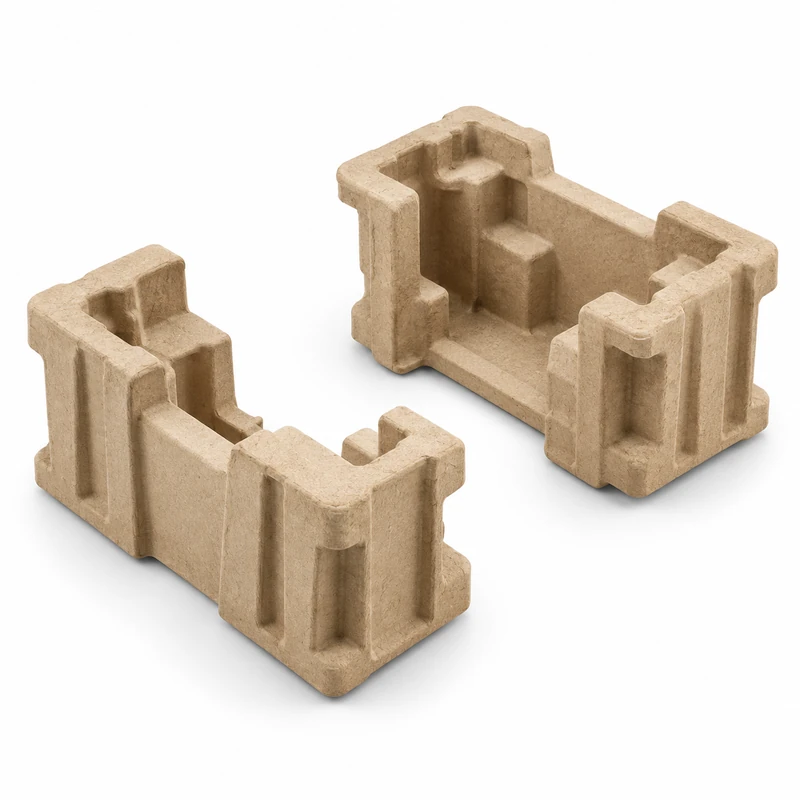
Molded Pulp Inserts
Locate the product at suitable support points and leave space for packing and removal.
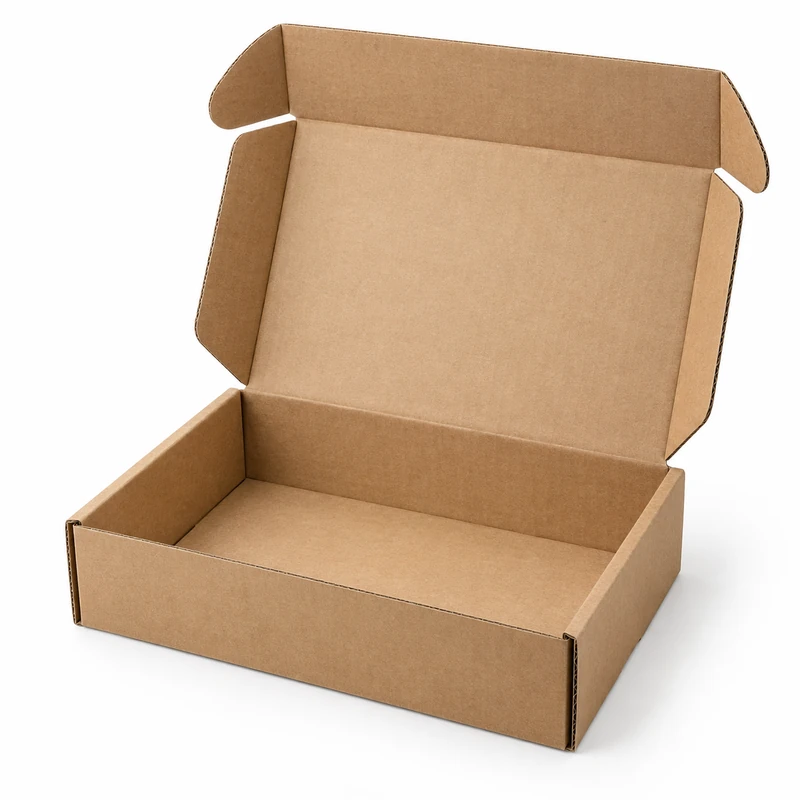
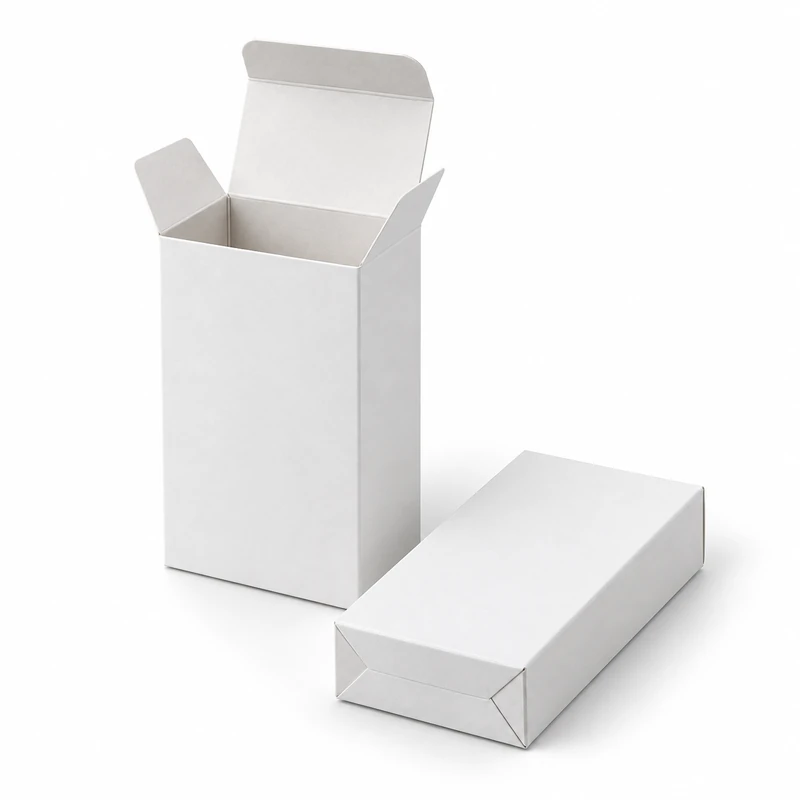
Corrugated Mailers & Cartons
Match box dimensions and board construction to the packed load and shipping route.
Electronics and fragile products
Send a drawing or sample showing weight, centre of gravity and fragile areas. Molded pulp inserts should support the product without loading vulnerable surfaces. Requirements such as static control need their own material specification and supporting evidence.
E-commerce & Shipping
Parcel packs need consistent assembly and enough restraint to limit internal movement. Mixed orders may need dividers or adaptable cushioning. Compare mailers and shipping cartons with the inner pack, including storage footprint and packing time.
Protective Packaging
Explain the damage mode you want to address: cracked corners, scuffed surfaces, loose accessories or movement inside the carton. Photographs of an existing pack and its packing sequence are useful. Mark the contact areas that are allowed and those that must remain clear.
Material and structure
Fiber thickness, cavity clearance, board construction and humidity exposure affect the design. Nesting can reduce storage space, but the nested tray still has to separate cleanly at the packing station. Compare the complete pack at its intended weight rather than assessing an empty insert alone.
Prototype and transport checks
Load the prototype with the actual product, close the carton and check fit, movement, assembly and removal. Define any drop, compression or vibration testing with the test conditions and acceptance criteria. Keep the tested construction and sample revision with the production specification.
Insert and carton fields · Inspection criteria · Prototype requests
What we need to review your project
Provide product drawings or dimensions, mass, accessory layout and vulnerable areas. Add the outer carton size if fixed, quantities, packing sequence, destination and transport route, plus any required test protocol.