







Protective Packaging
Review the fitted insert and outer carton as one system. Start with product drawings, weight, fragile areas and the shipping route.
From Foodservice to Product Protection
Different products, different journeys. Explore real applications and find the right packaging format.
Confirm the full pack with samples before you place an order.
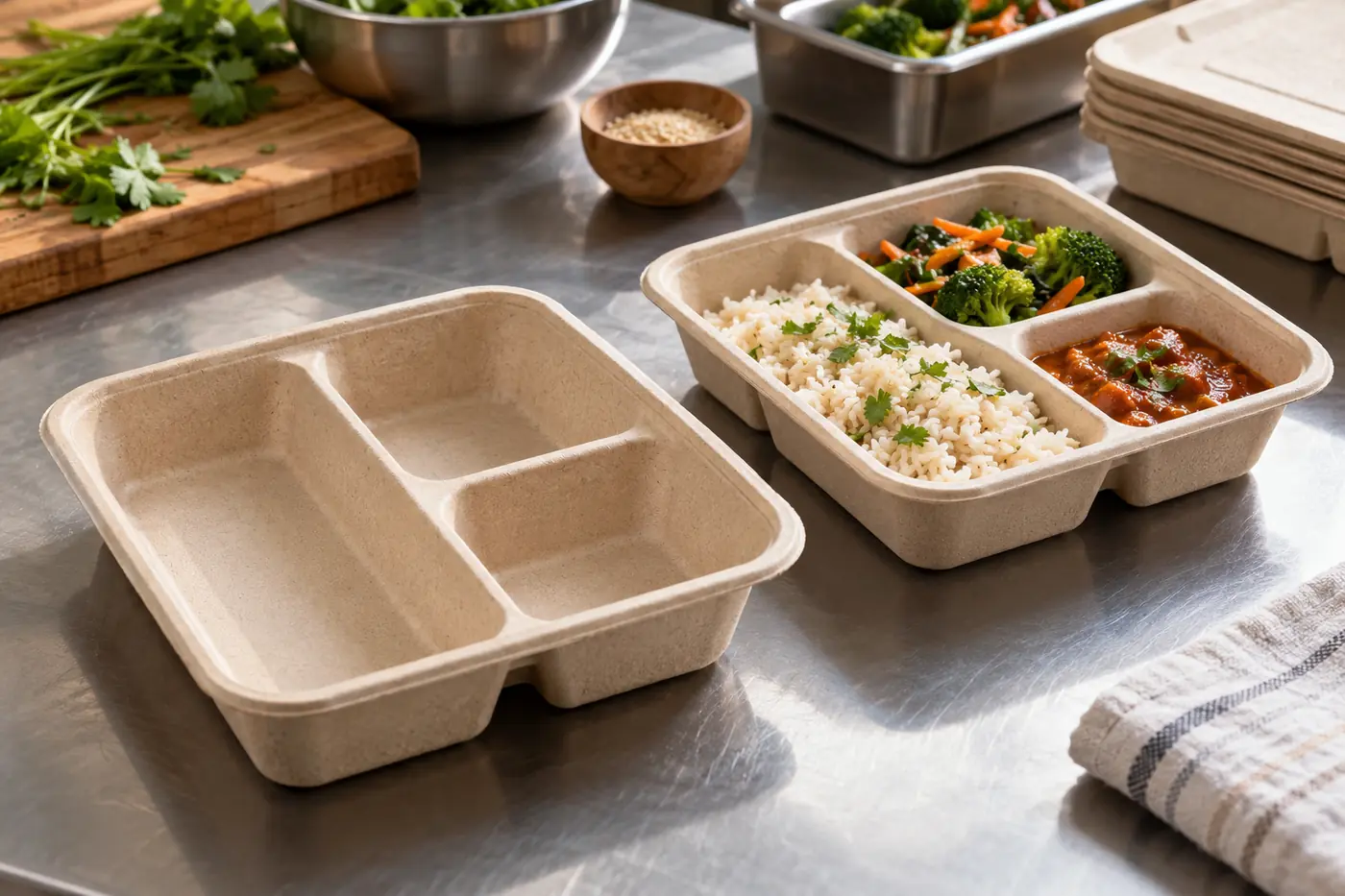
Restaurants & Takeaway
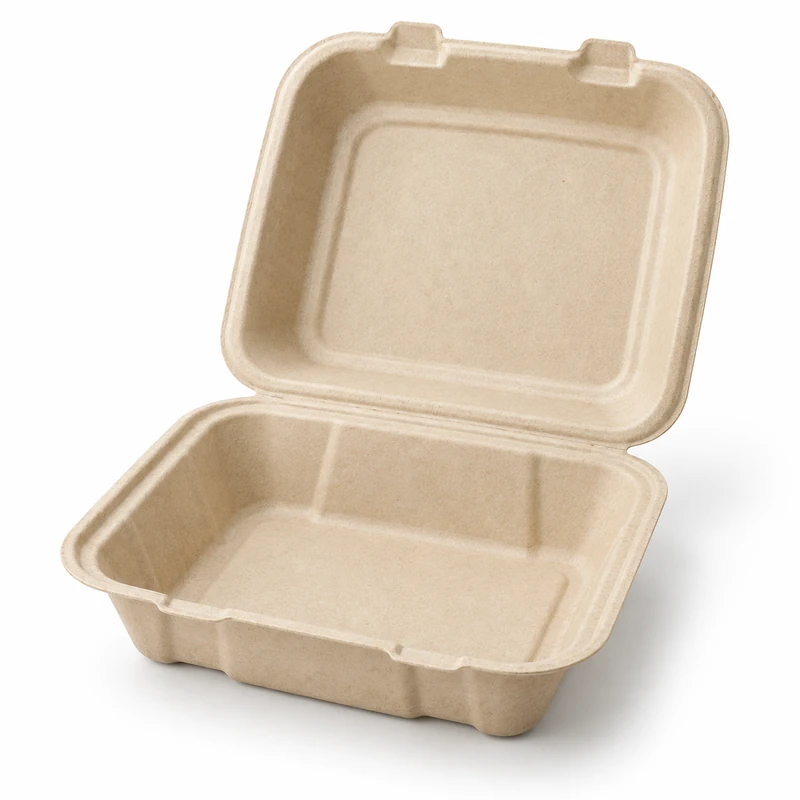
Clamshells, meal trays and bowls. Check portion size, closure and filled-pack handling.
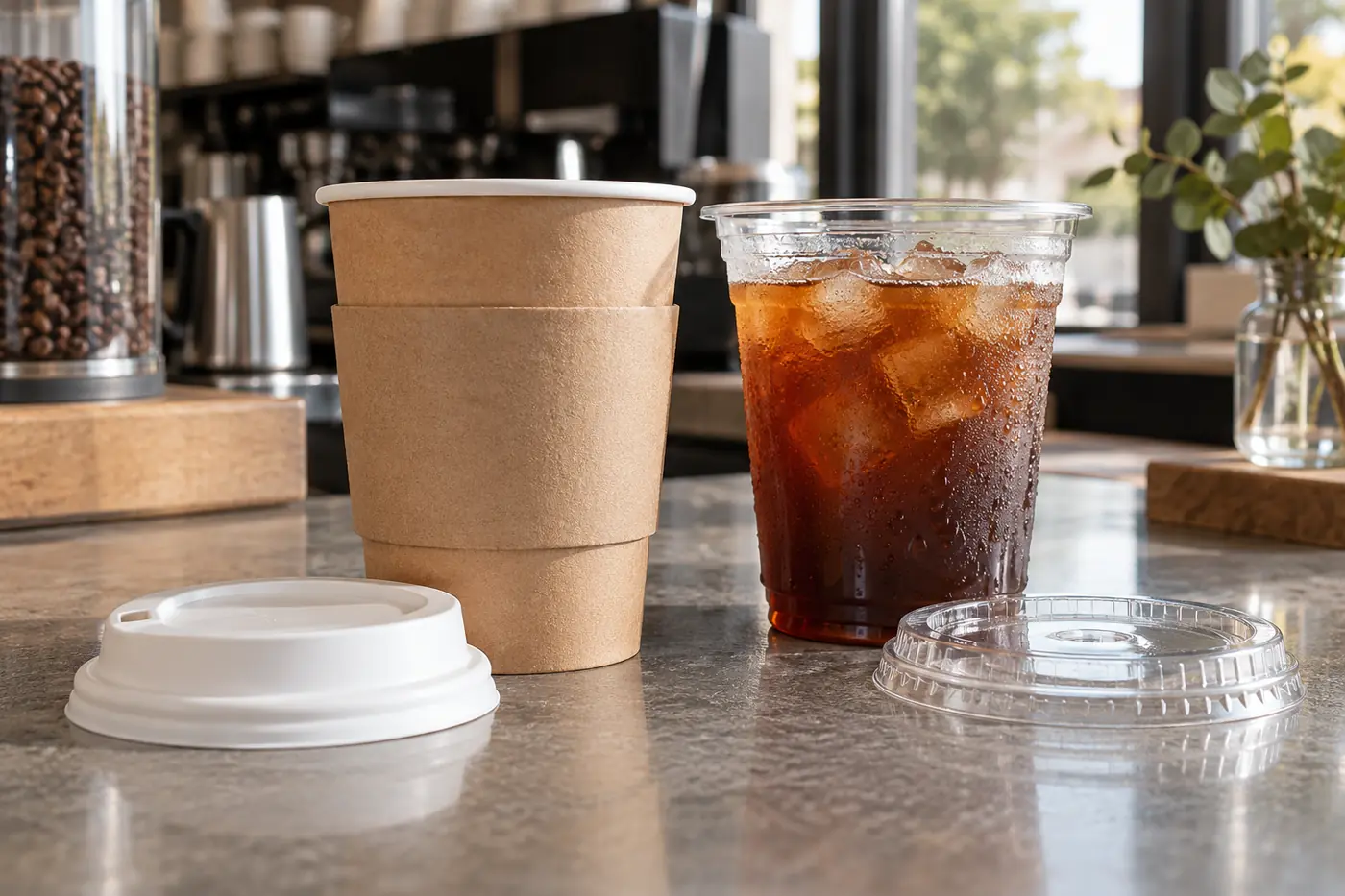
Coffee & Beverage
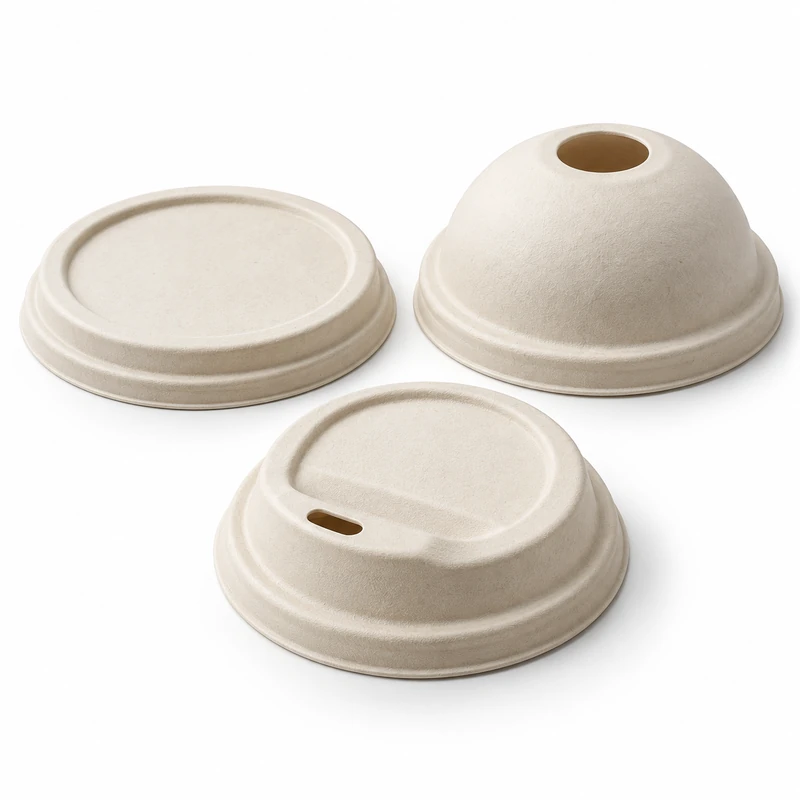
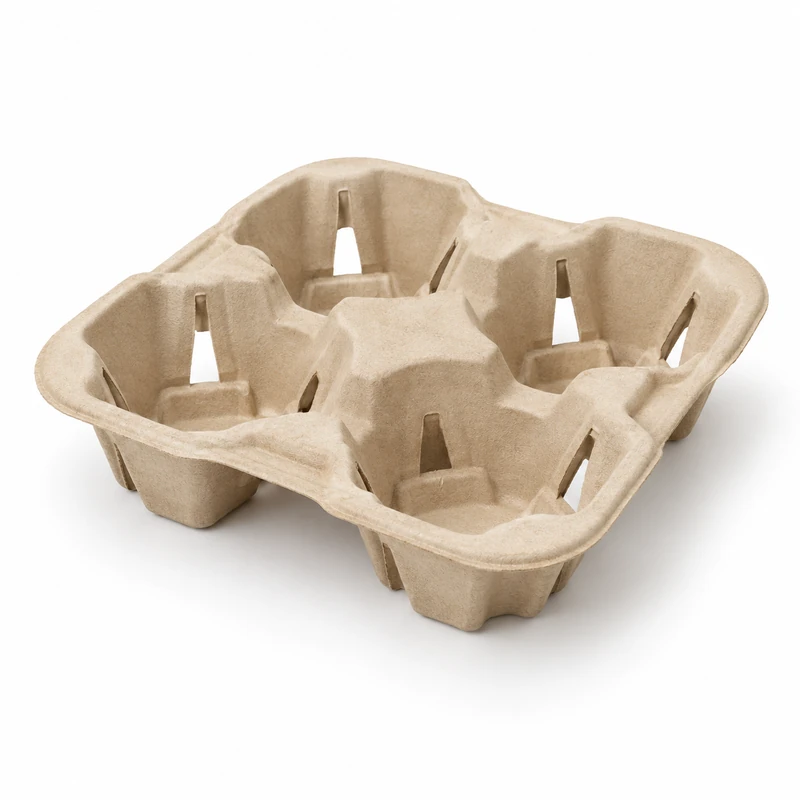
Hot cups, lids and cup carriers. Confirm rim fit, filling temperature and carry stability.
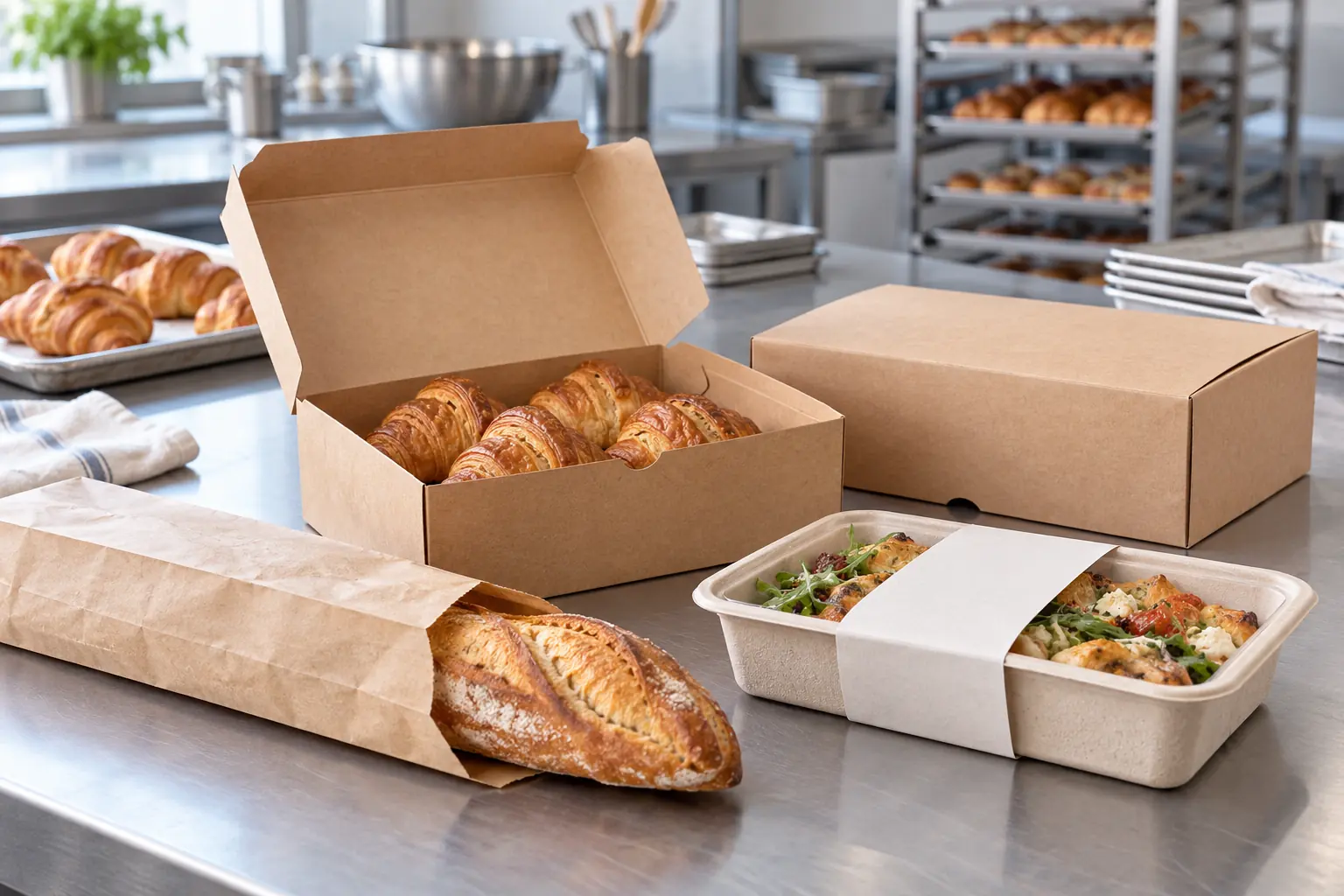
Bakery & Catering
Plates, paper trays and food bags. Compare serving space, grease contact and stackability.

Retail & Brand
Paper bags, folding cartons and gift boxes. Review artwork, carrying loads and presentation.

E-commerce & Shipping
Mailer boxes and paper cushioning. Match the outer pack to item weight, void space and transport.

Industrial Protection
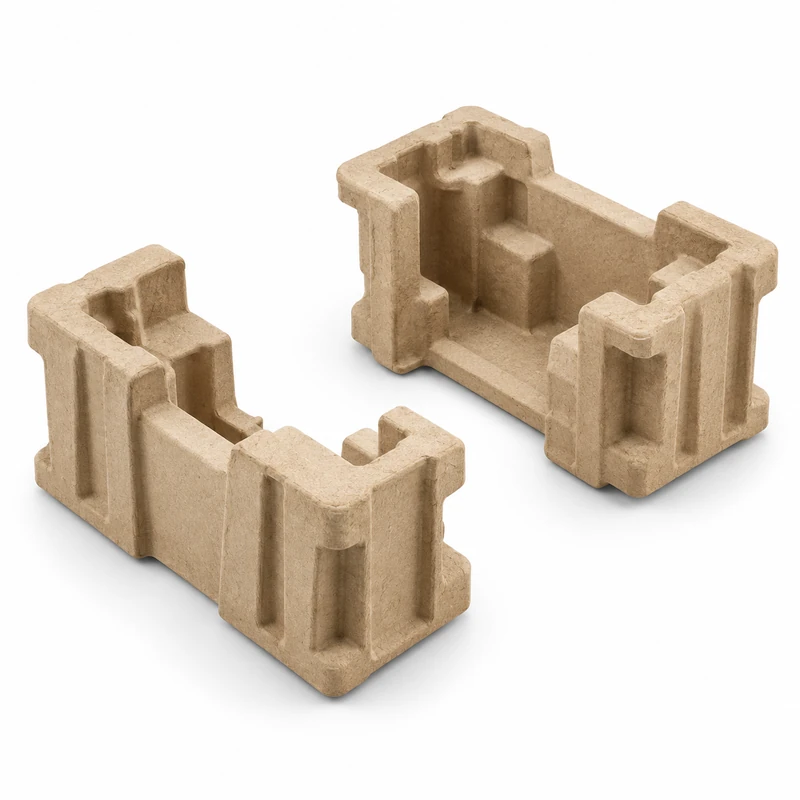
Shaped fiber inserts and trays. Define support points, clearances and the complete shipping pack.
Build a Better Coffee Takeaway Pack
A simple checklist to help you confirm the right cup, lid and carrier for your drink, service and delivery route.
Quick Sample Checks
- Check rim and lid fitUse the selected cup and lid together. Check seating, removal and handling with a filled cup.
- Test with your drink and holding timeAssess the complete pack with the actual drink, filling temperature and intended carry time.
- Check the loaded carrierLoad the carrier with full cups and check fit, lifting and stability during normal handling.
From Application to Approved Sample
A clear path from your packaging requirements to a sample you can test.
1. Define your use
Share the contents, dimensions, service conditions and delivery route.
2. Compare formats
Review the material, size, matching components and packing specification.
3. Check the full pack
Test the filled or loaded pack and record the approved sample and revision.
Protective Pack Design & Transport Checks
Protective packaging is a system: the product, supports, cushioning and outer carton work together. A useful design brief explains where the product can be supported and the handling risks along its route.
Electronics and fragile products
Send a drawing or sample showing weight, centre of gravity and fragile areas. Molded pulp inserts should support the product without loading vulnerable surfaces. Requirements such as static control need their own material specification and supporting evidence.
E-commerce & Shipping
Parcel packs need consistent assembly and enough restraint to limit internal movement. Mixed orders may need dividers or adaptable cushioning. Compare mailers and shipping cartons with the inner pack, including storage footprint and packing time.
Protective Packaging
Explain the damage mode you want to address: cracked corners, scuffed surfaces, loose accessories or movement inside the carton. Photographs of an existing pack and its packing sequence are useful. Mark the contact areas that are allowed and those that must remain clear.
Material and structure
Fiber thickness, cavity clearance, board construction and humidity exposure affect the design. Nesting can reduce storage space, but the nested tray still has to separate cleanly at the packing station. Compare the complete pack at its intended weight rather than assessing an empty insert alone.
Prototype and transport checks
Load the prototype with the actual product, close the carton and check fit, movement, assembly and removal. Define any drop, compression or vibration testing with the test conditions and acceptance criteria. Keep the tested construction and sample revision with the production specification.
Insert and carton fields · Inspection criteria · Prototype requests
What we need to review your project
Provide product drawings or dimensions, mass, accessory layout and vulnerable areas. Add the outer carton size if fixed, quantities, packing sequence, destination and transport route, plus any required test protocol.
Plan Your Packaging
Share your application, selected formats, quantity and destination to prepare an itemized inquiry.