



 English
 Deutsch
 Français
 Español
 العربية
Packaging Materials
The material has to suit the contents, packing process and disposal system in the destination market. Use the descriptions below with the specification checklist to choose the finished construction, including coatings, linings and accessories.
Bagasse
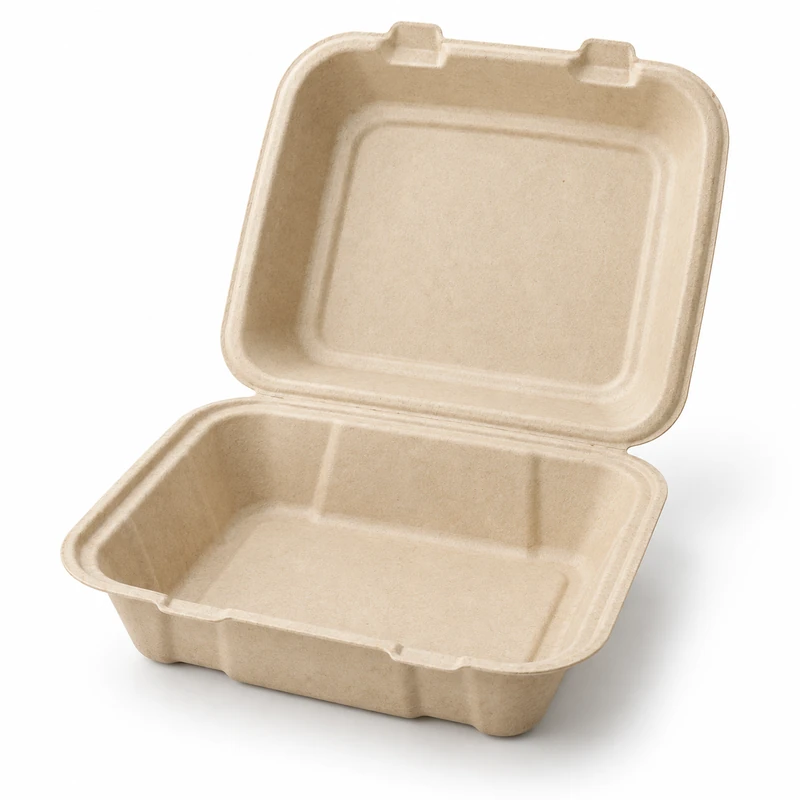
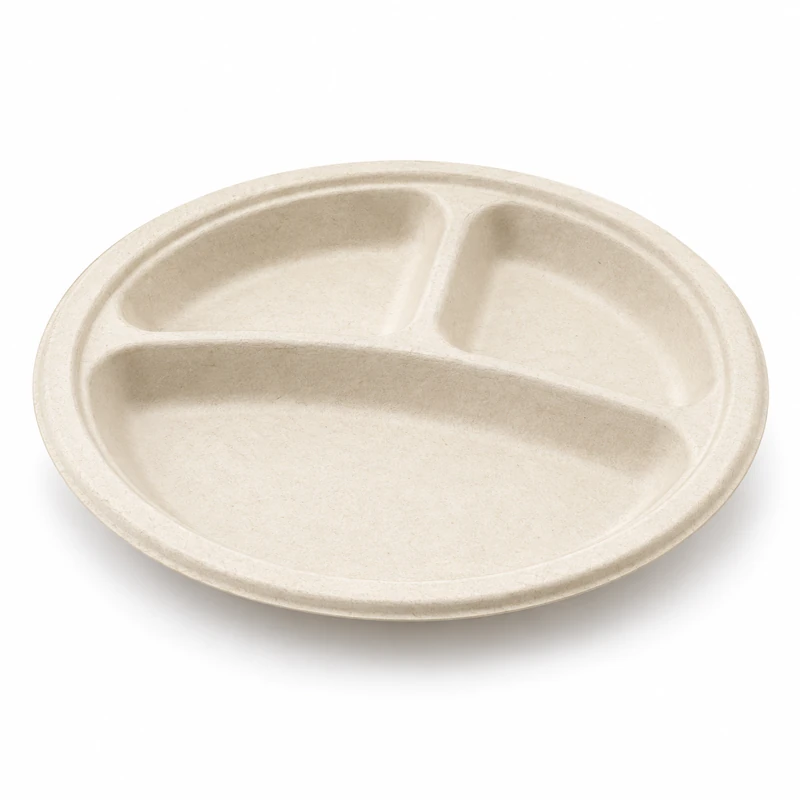
Bagasse is sugarcane fiber used in molded foodservice formats such as clamshells, plates and trays. Shape and fiber construction affect rigidity and stacking; the selected surface treatment affects contact with moisture and grease. Assess a sample with the intended meal and serving conditions.
Paper & Paperboard
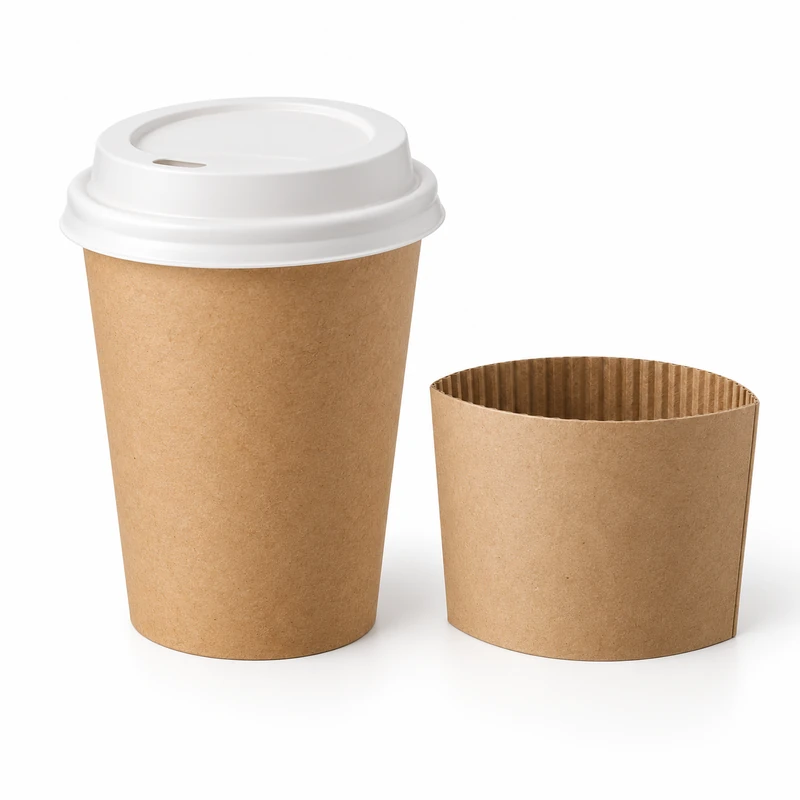
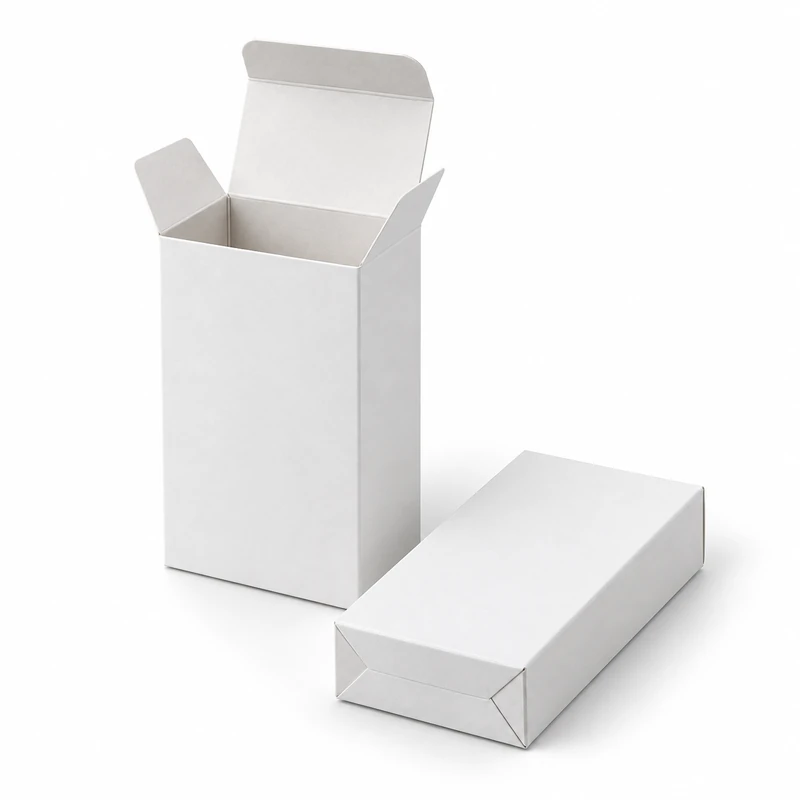
Paper and paperboard cover carry bags, folding cartons, cups and serving trays. Specify basis weight or board thickness, construction, print and any barrier layer. A shopping bag is selected around its load and handle; a cup needs a lining and lid fit suited to the drink.
PLA & CPLA
PLA is used in clear cold-service packaging and in some coatings; CPLA is a modified form used in selected utensils and accessories. Temperature limits depend on the formulation and finished product. State the required application and document scope when selecting either material.
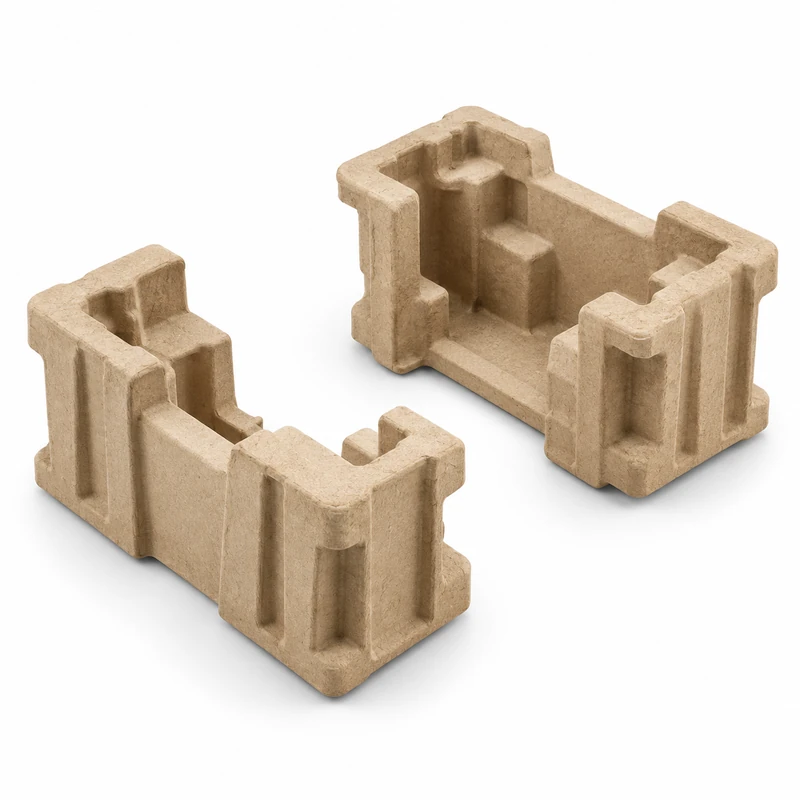
Molded Pulp
Molded pulp can form cavities that locate and separate products. Cavity clearance, support points, wall thickness and nesting affect the fit and packing process. For protective use, evaluate the insert together with the product and outer carton.
Wood
Wooden utensils and stirrers need a smooth finish, usable shape and dimensions suited to the food or beverage. Specify bulk packing, individual wrapping or set contents. Check strength, surface condition and eating comfort on samples.
Product Specification Checklist
Record these fields for each item in your product list. Dimensions, capacities, matching components and carton data should be kept in separate columns so quotes can be compared consistently.
| Product category | Dimensions and construction | Application and packing checks |
|---|---|---|
| Food Containers & Trays | External length × width × height (mm); usable capacity (ml); compartments; base and lid codes; item weight (g). | Food type, temperature and contact duration; leakage and loaded stacking; units per sleeve/carton. |
| Plates & Bowls | Diameter or length × width (mm); depth (mm); usable capacity (ml); rim and compartments; item weight (g). | Portion fit; rigidity under load; hot, wet or oily food evaluation; matched lid where applicable. |
| Cups & Lids | Nominal and brim-fill capacity (ml); top/base diameter and height (mm); wall structure; lining; exact lid code. | Cup-lid sample fit; beverage temperature; hold time; sleeves, units per carton and carton dimensions. |
| Cutlery & Straws | Length, width or diameter (mm); material; item weight (g); surface finish; kit contents. | Food-contact use; strength and handling; individual wrapping; sets per carton. |
| Paper Bags | Width × gusset × height (mm); paper grade and basis weight (g/m²); handle type and reinforcement. | Packed product weight; handle and bottom performance; print artwork; flat packing and carton count. |
| Folding Cartons & Paper Boxes | Internal and external dimensions (mm); board grade, weight or thickness; closure; dieline; finish. | Product fit; assembly; print color reference; window/barrier materials; flat or assembled packing. |
| Molded Pulp Packaging | Drawing revision; cavity dimensions (mm); clearance; wall thickness; item weight (g); stack pitch. | Packed product mass; support points; fit and transport testing; nesting and carton count. |
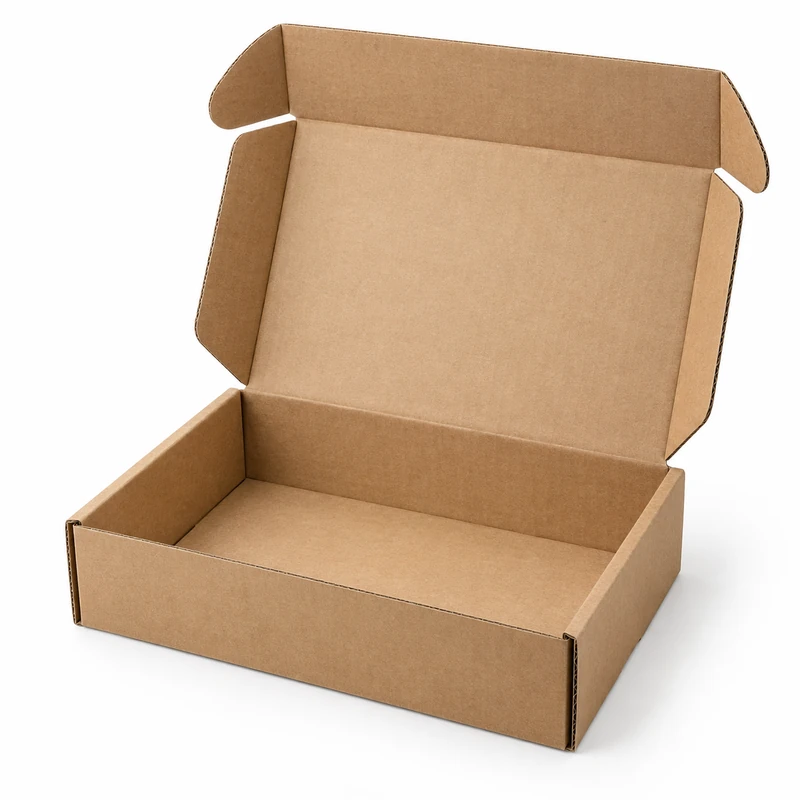
| Corrugated Packaging | Internal dimensions (mm); box style; flute profile; liner and medium grade; agreed strength criteria. | Packed weight; compression and transit requirements; printing; flat packing and pallet plan. |
Keep capacity, lid fit and shipping data separate
Named capacity and brim-fill capacity are different measurements. Cup and lid compatibility also depends on the rim profile, so identify the matched pair. For shipping calculations, record units per inner pack, inner packs per carton, carton dimensions and gross weight separately.
Confirm tolerances, MOQ and timing
Keep the approved drawing revision, dimensional tolerances and sample record with the order. Set the test method and acceptance criterion for each required function. Quantities, tooling, artwork and packing requirements then provide the basis for the quotation and production schedule.
Continue with product documentation and sample and inspection planning.