


 English
 Deutsch
 Français
 Español
 العربية
A shaped insert and a wrap solve different packing problems. A molded pulp insert locates a product in a defined position; honeycomb paper is expanded and wrapped during packing. Compare the complete shipping pack, including its outer carton, before choosing either approach.
Start with movement, not the material name
Place the product in the proposed box and identify where it can move. Note heavy components, protruding parts, corners and surfaces that must remain free from contact. Record the packed weight and the route from your packing bench to the customer. These details are more useful than asking for a general “protective paper pack”.
When to review a molded pulp insert
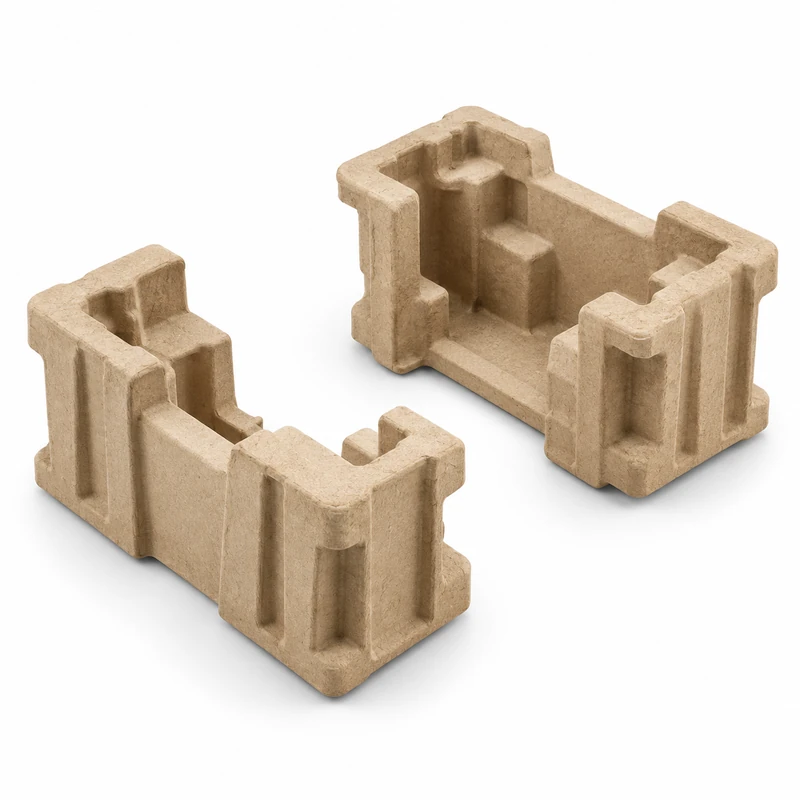
Consider a fitted insert when the product and accessory positions should be repeatable. The brief should show contact areas, cavity dimensions, clearances and the intended orientation. Include both halves of a support system where the design uses a top and bottom insert. Assess whether staff can load and remove the product without pressing on fragile components.
Send a dimensioned drawing or 3D file, the actual product weight and representative samples where available. Identify cosmetic surfaces and any areas that must not carry the load. Request a sample revision that can be evaluated inside the selected carton. Explore molded pulp protective inserts.
When to review honeycomb paper
Consider paper wrap where staff need a flexible packing step for different item sizes. Define how the paper will be expanded, the amount used per item and the method for keeping the wrapped product in place. Packing consistency matters: two wraps that look similar can leave different clearances in the box.
A wrap does not automatically provide a fixed cavity or stop an item moving in a partly empty carton. Review additional paper void fill, separators or fitted supports when the packed item still has room to move. Explore honeycomb paper cushioning.
Compare quotations on the same packing basis
| Review item | Molded pulp insert | Honeycomb paper wrap |
|---|---|---|
| Design input | Product drawing, support points and cavity clearance | Item size, wrapping method and paper used per pack |
| Approval reference | Insert drawing and sample revision | Packing instruction and representative wrapped sample |
| Commercial comparison | Tooling, order quantity, nesting and carton packing | Roll format, consumption per item and packing time |
| Complete-pack check | Product position, contact marks and outer carton fit | Coverage, remaining void space and movement |
Approve the complete shipping pack
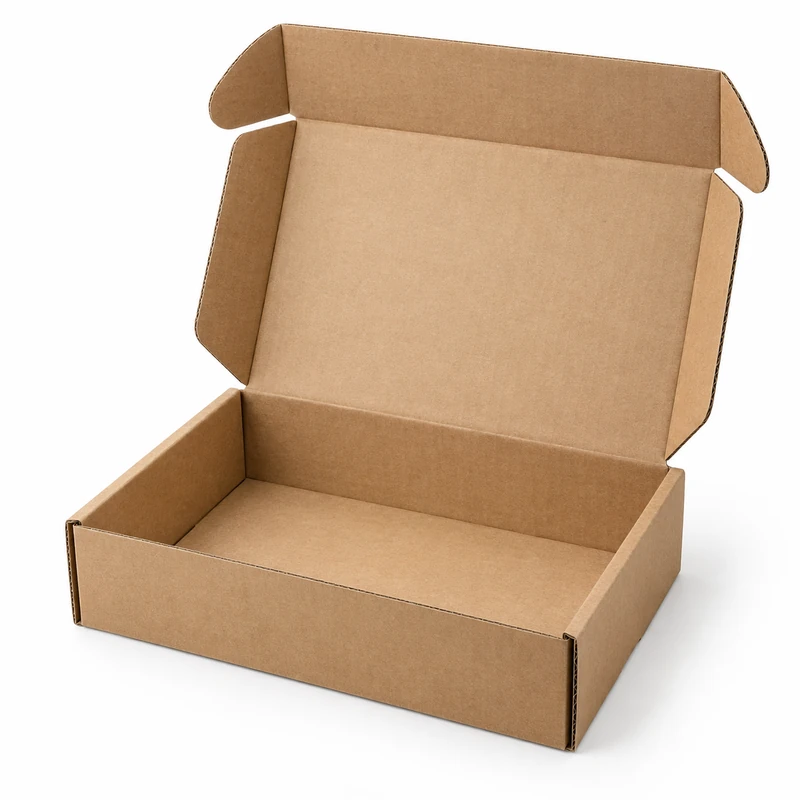
Use the intended product, accessories, carton and packing method in a representative trial. Agree a transport-test plan appropriate to the shipment, and record the pack condition before and after testing. Neither the material name nor an untested insert shape establishes a drop-test result for your product.
Keep photographs, drawings, material identification and packing instructions with the approved sample. For a repeat order, state which revision is being reordered. If the product weight, carton or route changes, review whether the same pack remains appropriate.
Industrial packaging applications · Sample approval checklist · Send your drawing and packing brief